Out of the world’s 195 countries, 44 have no coastline at all. They are called landlocked countries, and together they are home to hundreds of millions of people. Being landlocked shapes almost everything about a country, from how it trades to who its neighbours are and even, sometimes, how many navy sailors it has.
Where the landlocked countries are
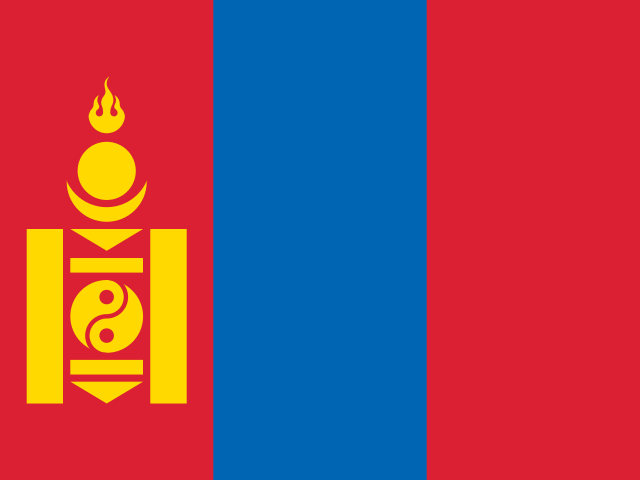
Africa has the most, with 16 landlocked countries, including Ethiopia, Uganda, Chad, Niger, Mali, Zambia and Zimbabwe. Europe has 14 (15 if you count Kosovo), among them Switzerland, Austria, Hungary, Czechia, Serbia and the microstates Andorra, Liechtenstein, San Marino and Vatican City. Asia has 12, including Afghanistan, Nepal, Bhutan, Laos, Mongolia and the five Central Asian republics. South America has just two: Bolivia and Paraguay. North America and Oceania have none.
The exact count depends on how you treat the Caspian Sea. Kazakhstan, Turkmenistan and Azerbaijan border the Caspian, but because it is an enclosed body of water with no natural link to the ocean, they are normally counted as landlocked.
The biggest and the smallest
Kazakhstan is the largest landlocked country in the world, covering more than 2.7 million km², roughly the size of Western Europe. Mongolia, Chad, Niger and Mali are also enormous. At the other end of the scale is Vatican City, the smallest country on Earth, which is landlocked inside Rome.
By population, Ethiopia is the most populous landlocked country, with well over 100 million people. It lost its coastline in 1993 when Eritrea became independent, which makes it one of the few countries to become landlocked in recent history.
Trade through a neighbour
Most international trade still travels by sea, so landlocked countries depend on their neighbours to reach a port. Goods for Nepal often move through Indian ports such as Kolkata. Ethiopia relies heavily on the port of Djibouti, connected by a modern electric railway opened in the late 2010s. Uganda, Rwanda and South Sudan use the ports of Mombasa in Kenya and Dar es Salaam in Tanzania.
International law gives landlocked countries a right of access to the sea through their neighbours, and many have special agreements for transit corridors and port facilities. Even so, every border crossing adds paperwork, delay and cost. Economists have long noted that, on average, landlocked countries face higher transport costs than coastal ones, which can slow down development.
Navies without a sea
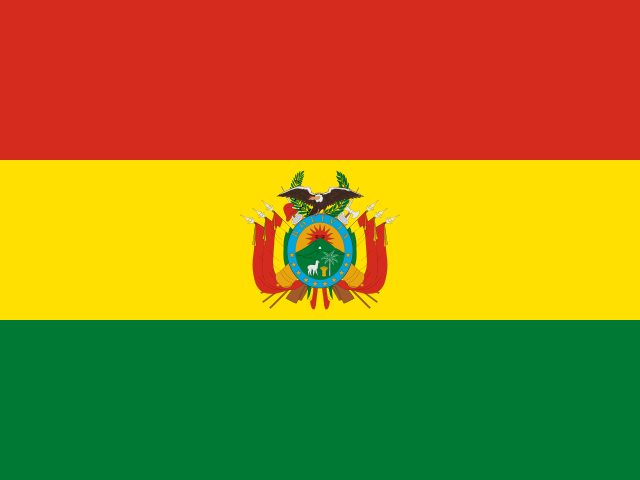
Being landlocked does not always mean having no navy. Bolivia lost its coastline to Chile in the War of the Pacific in the 1880s, but it still maintains a navy that patrols Lake Titicaca and the country’s rivers. Every year Bolivia marks a “Day of the Sea” to remember the lost coast. Paraguay runs a river navy on the Paraguay and Paraná rivers, and countries such as Serbia and Hungary patrol the Danube.
Landlocked and doing well
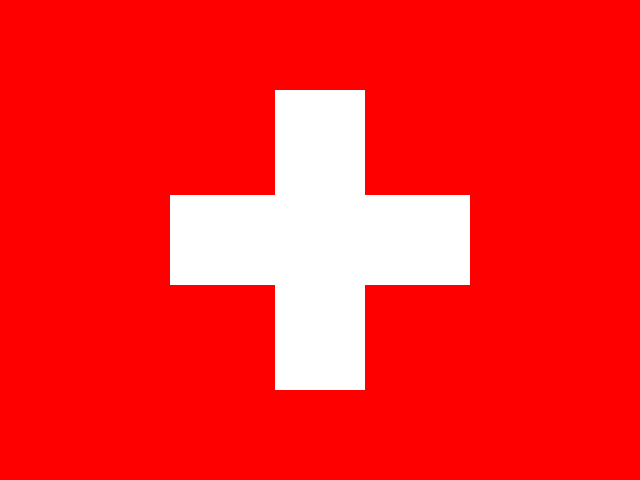
Geography matters, but it is not destiny. Switzerland, Austria and Luxembourg are among the wealthiest countries in the world, helped by strong institutions, good transport links and their position in the middle of Europe. Botswana has grown thanks to diamonds and careful management. Rivers can also help: the Rhine connects Switzerland to the North Sea port of Rotterdam, and barges have carried Swiss goods along it for centuries.
Doubly landlocked
Two countries take the idea even further. Liechtenstein and Uzbekistan are “doubly landlocked”: they are landlocked, and every one of their neighbours is landlocked too. To reach the ocean from either country, you have to cross at least two international borders. We look at them in detail in our article on doubly landlocked countries.
A great quiz category
Landlocked countries are a favourite topic for geography quizzes because they test your mental map. Can you name the two in South America? The landlocked country completely surrounded by South Africa? (That is Lesotho.) The landlocked country with the most neighbours? Austria and Zambia share the record among recognised countries, with eight neighbours each.
What it feels like on the ground
For people living in a landlocked country, the effect is very practical. Imported goods such as fuel, cars and electronics often cost more because of the long journey from the nearest port. Exporters of bulky goods, like grain or minerals, have to pay for rail or truck transport before their products even reach a ship. That is why many landlocked countries invest heavily in railways, air cargo and digital services, which do not need a coastline at all. Rwanda, for example, has focused on technology, tourism and services, while Nepal earns money from hydroelectric power sold to its neighbours.
Try Landlocked or Not? in our games to see how many you can spot, then take Find the Country to practise the trickier ones.