Learning every national flag sounds like a huge memory task. There are 195 countries, many of their flags share the same colours, and some are almost identical. Yet people who are great at flag quizzes rarely memorise flags one by one. They learn to see patterns, families and tiny details. Here is how to do the same, with a simple plan you can follow over a week.
1. Sort flags into families
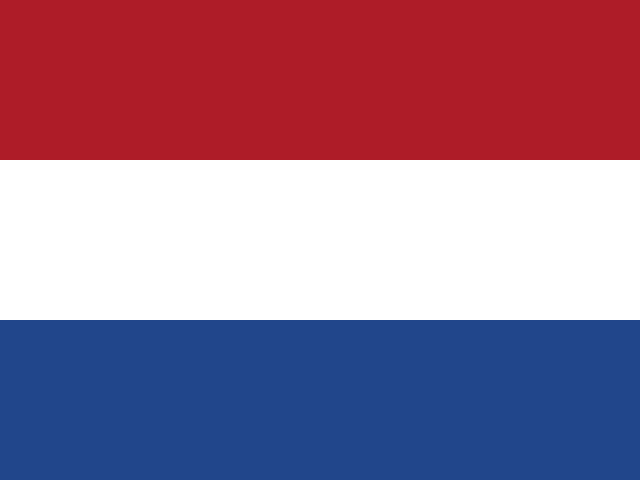
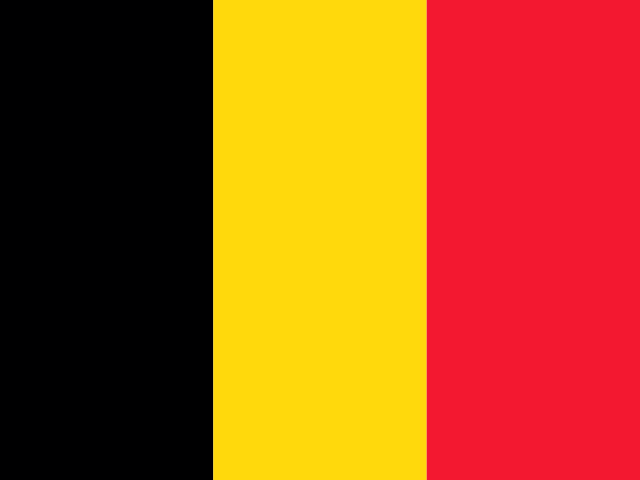
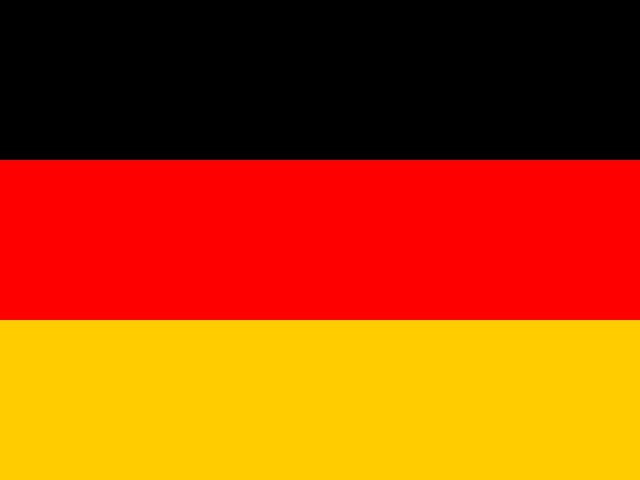
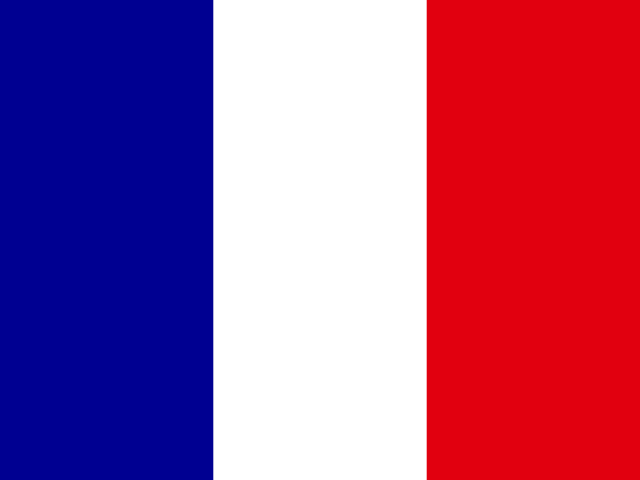
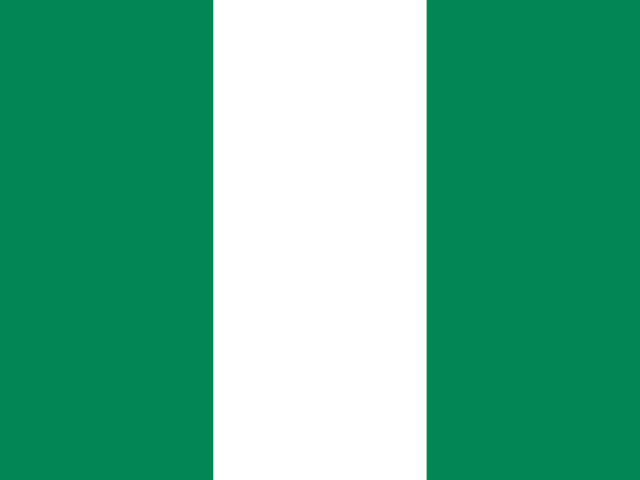
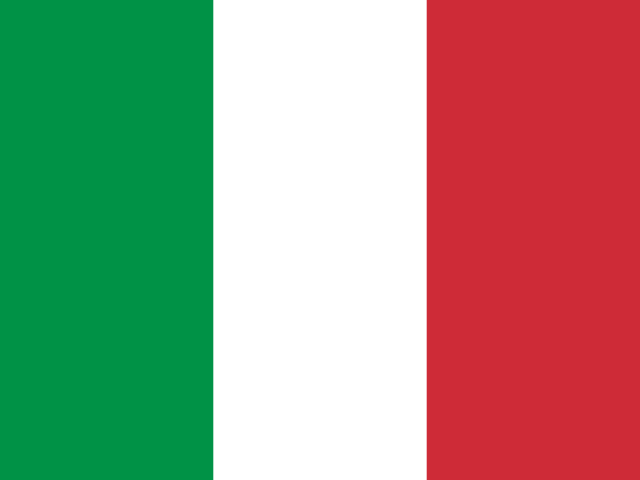
The fastest way to learn flags is to group them by design rather than by continent. Start with a few big families. Horizontal tricolours, such as Germany, the Netherlands, Russia, Hungary and Bulgaria, are three stripes stacked on top of each other. Vertical tricolours, such as France, Italy, Ireland, Belgium, Nigeria and Mexico, put the stripes side by side.
Next come the Nordic crosses, used by Denmark, Norway, Sweden, Finland and Iceland, with the cross shifted towards the flagpole. Then flags with a triangle at the hoist, such as Czechia, the Philippines, Cuba and Sudan. Then flags with a single star, a crescent, a sun, or a coat of arms in the middle.
Once you know the family, you only need to remember what makes each member different. That is a much smaller job than learning 195 separate pictures.
2. Learn colour “regions”
Colours are not random. Many flags in a region share colours because of shared history or ideas. Green, yellow and red are often called the Pan-African colours, inspired by the flag of Ethiopia, one of the few African countries never colonised. You will see them in Ghana, Senegal, Mali, Guinea, Cameroon and many more.
Red, white, black and green are the Pan-Arab colours, used in various combinations by Jordan, Palestine, Sudan, Kuwait, the United Arab Emirates and others. White, blue and red, the Pan-Slavic colours, appear across Russia, Serbia, Slovakia, Slovenia and Croatia. Knowing these “colour regions” helps you guess the right part of the world before you even think about details.
3. Focus on the troublemakers
Every flag learner meets the same few pairs that look almost identical: Chad and Romania, Indonesia and Monaco, Ireland and Côte d’Ivoire, Australia and New Zealand, the Netherlands and Luxembourg. Instead of hoping you will remember them, study them on purpose, side by side, and pick one detail that separates each pair.
For example, Ireland has green next to the flagpole, while Côte d’Ivoire starts with orange. New Zealand’s stars are red with white outlines, while Australia’s are white and include an extra large seven-pointed star under the Union Jack. One clear rule per pair is enough. Our article on twin flags covers ten of these pairs in detail.
4. Attach a story to the strange ones
Some flags are easy because they are odd. Nepal’s flag is the only one that is not a rectangle. Bhutan’s has a white dragon. Cyprus shows a map of the island itself. Mozambique’s includes an AK-47 rifle crossed with a hoe. Lebanon has a green cedar tree. Kiribati has a frigatebird flying over a rising sun.
Give each unusual flag a short story or image in your head. Stories stick far better than shapes, and once these flags are “easy”, you have more attention left for the hard ones.
5. Practise little and often
Memory research is consistent on one point: short, spaced sessions beat long cramming sessions. Ten minutes a day for a week works better than an hour on a Sunday. The key is to test yourself, not just look at flags. Trying to recall the answer, and sometimes getting it wrong, is what makes it stick.
Mix easy and hard questions, and return to the flags you got wrong a day or two later. Speed rounds are useful too, because they force you to recognise flags at a glance rather than working them out slowly.
A simple seven-day plan
Day 1: learn the big families (tricolours, Nordic crosses, triangles, emblems). Day 2: learn the colour regions and place each flag on the right part of the map. Day 3: study the ten most confusing pairs side by side. Day 4: add stories to the unusual flags. Day 5: play a full round of flags and note every mistake. Day 6: replay only your mistakes. Day 7: take a timed challenge and compare your score with day 5.
By the end of the week you will not know every flag perfectly, but you will recognise most of them instantly and know exactly which ones still need work.
One last tip: say the country name out loud when you see each flag, and picture where it sits on a map. Linking a flag to a place and a sound gives your memory three hooks instead of one, and makes it much easier to recall under time pressure.
Put the plan into action with Guess the Flag for daily practice, Flag Speed Run for quick recognition and Flag Master when you are ready to try all 195.